Mother Earth Day – 22 April:
A Shared Responsibility for Health, Care, and the Future
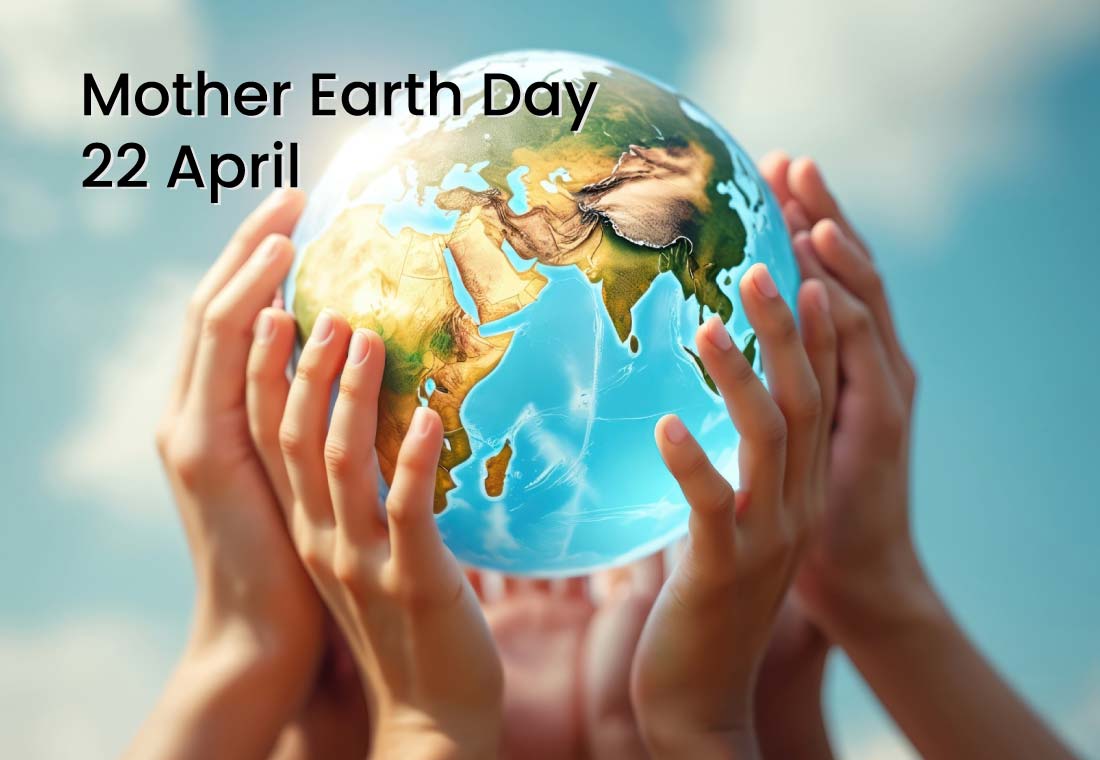
Mother Earth Day, observed each year on 22 April, offers an important moment to reflect on the connection between the health of our planet and the wellbeing of people across the United Kingdom. For NHS employers, healthcare workers, and patients alike, this day is not just symbolic – it highlights a deeply practical reality: environmental health directly shapes human health outcomes.
Within the NHS, there is a growing recognition that climate change, pollution, and environmental degradation are not distant concerns. They are already affecting patient care, workforce wellbeing, and operational pressures. Rising temperatures contribute to increased hospital admissions, particularly among vulnerable groups such as the elderly, children, and those with chronic conditions. Air pollution continues to exacerbate respiratory illnesses, while extreme weather events can disrupt care delivery and infrastructure.
For NHS employers, Mother Earth Day is an opportunity to reinforce sustainable practices within healthcare settings. From reducing waste and improving energy efficiency to promoting greener supply chains, small operational changes can collectively make a significant impact. Encouraging staff engagement in sustainability initiatives also fosters a culture of shared responsibility and pride in contributing to a healthier planet.
Healthcare workers play a vital role in this transition. Their daily decisions-from prescribing practices to resource use-can influence both patient outcomes and environmental impact. Supporting staff with education, tools, and time to adopt sustainable approaches is essential. Equally important is recognising the emotional toll that climate concerns can have on healthcare professionals. Creating supportive environments where these concerns can be acknowledged and addressed is key to maintaining workforce resilience.
For patients, Mother Earth Day is a reminder that personal health is closely linked to environmental conditions. Access to clean air, safe water, and green spaces all contribute to physical and mental wellbeing. Encouraging patients to engage in environmentally friendly behaviours such as: active travel, reducing waste, and supporting local initiatives – can have dual benefits for both personal and planetary health.
Environmental challenges can disproportionately affect disadvantaged communities, making it essential that sustainability initiatives within the NHS are equitable and accessible. Listening to diverse voices and ensuring that no group is left behind is fundamental to meaningful progress.
Ultimately, Mother Earth Day calls for collective action. The NHS, as one of the largest employers in the UK, has both an opportunity and a responsibility to lead by example. By embedding sustainability into everyday practice, supporting staff, and empowering patients, the NHS can contribute to a healthier future for all.