
Bandages
Wound contact layers are designed to protect the wound bed while creating an optimal environment for healing. Placed directly over the wound, they help minimise trauma during dressing changes, support the transfer of exudate to a secondary dressing and protect newly formed tissue. Suitable for a wide range of acute and chronic wounds, wound contact layers can improve patient comfort while supporting effective wound management and reducing disruption to the healing process.
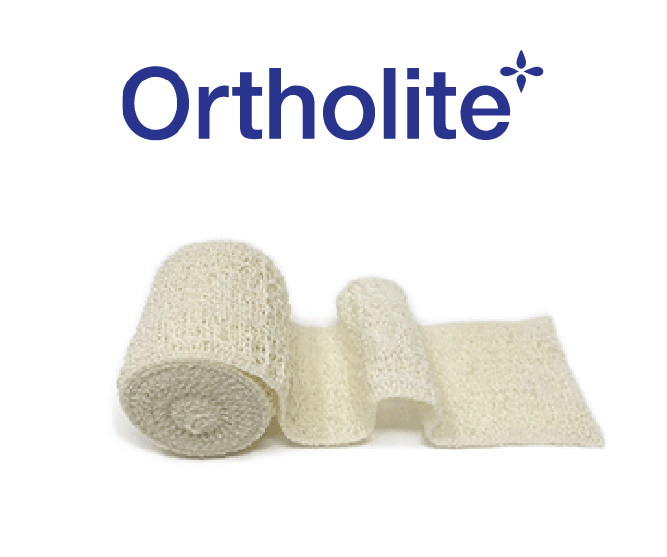
Ortholite
Crepe Bandage
Common Challenges and Treatment Considerations for Bandages
Common Challenges
- Selecting the appropriate bandage type for the clinical indication and patient needs.
- Achieving consistent application and the correct level of support or compression.
- Maintaining dressing security without compromising patient comfort or circulation.
- Preventing bandage slippage during everyday movement.
- Managing oedema while ensuring safe and effective compression where indicated.
- Supporting patient mobility while protecting the affected area.
- Balancing durability, comfort and ease of application across different care settings.
Treatment Considerations
- Select a bandage appropriate for the clinical application, whether for support, fixation, compression or protection.
- Ensure the correct application technique is used to provide consistent support while avoiding excessive pressure.
- Consider the patient’s mobility, limb shape and comfort when selecting a suitable bandage.
- Assess skin integrity and monitor regularly for signs of pressure, impaired circulation or irritation.
- Choose products that are comfortable, conformable and able to remain securely in place during normal activity.
- Review bandage performance at each dressing change or clinical assessment and adjust treatment as required.
- Follow local clinical guidelines and best practice recommendations when applying bandages as part of an overall treatment plan.
