
Exudate
Effective exudate management is essential for maintaining an optimal wound environment, protecting the surrounding skin and supporting timely healing. Explore our educational resources for best practice guidance on managing exudate across a range of wound types.
Supporting Education
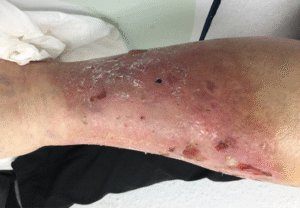
What are the 10 most important steps in leg ulcer management?
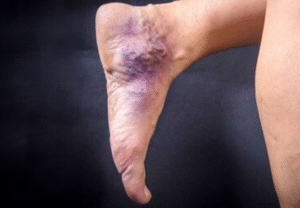
What are Venous Leg Ulcers? Most Common Questions and Answers

What are the top 7 steps for assessing your leg health?

What are the 10 most important ways to care for your legs?
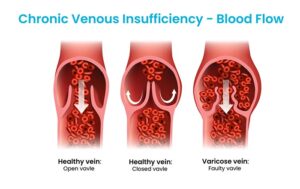
What are the 8 stages of the CEAP classification of venous insufficiency?
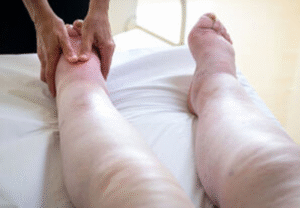
What skin changes are associated with chronic oedema?

Oedema Terminology: Glossary of Useful Wound Care Terms
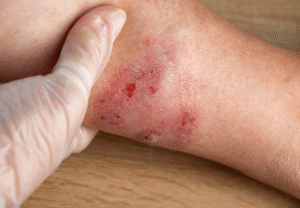
What are the main venous leg ulcer risk factors?
Arterial Leg Ulcer Terminology: Glossary of Useful Wound Care Terms
Chronic Venous Insufficiency Terminology: Glossary of Useful Wound Care
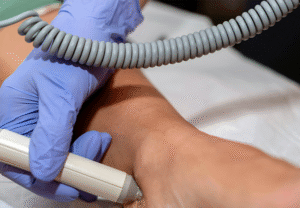
What is the difference between venous and arterial leg ulcers?
Frequently Asked Questions
blank
What is a venous leg ulcer?
A venous leg ulcer is defined as a break in the skin of the leg that takes more than 4 to 6 weeks to heal. [1]
Venous leg ulcers occur because of underlying chronic venous insufficiency (CVI).[2]
This is a condition in which poor circulation significantly increases the pressure on the venous system. Continuous high pressure in the veins can lead to damage to the blood vessels in the skin. This damage makes the skin more fragile and susceptible to breaking after minor injuries such as a small scratch or shearing force.[3]
Most leg ulcers, except for those caused by direct trauma or minor injury, can take months, if not years, to develop into a wound. They are most common on the inside of the leg, just above the ankle.
It can be a long-term and recurring condition that causes discomfort, pain, infection, reduced mobility, malodour, isolation, and emotional distress.
How many people are affected by leg ulcers?
In the UK, figures reveal that around 1 in 500 people will be affected by venous leg ulcers. The risk of developing venous leg ulcers only increases as we age. The latest statistics show that around 1 in 50 people over the age of 80 has a leg ulcer.[5]
What are the signs of a venous leg ulcer?
Venous leg ulcers present as open wounds on the lower limbs. Their appearance and severity will vary depending on how long you have had the ulcer and your general health. There are some other signs that are indicative of a venous leg ulcer:
- Aching or a feeling of heaviness in the lower limbs
- Swollen ankles
- Varicose veins
- Discolouration in the area around the ulcer
- Itchiness
- Changes to skin (i.e., hardened or tauter)
- Fluid and slough weeping from the wound edges
Related Products:
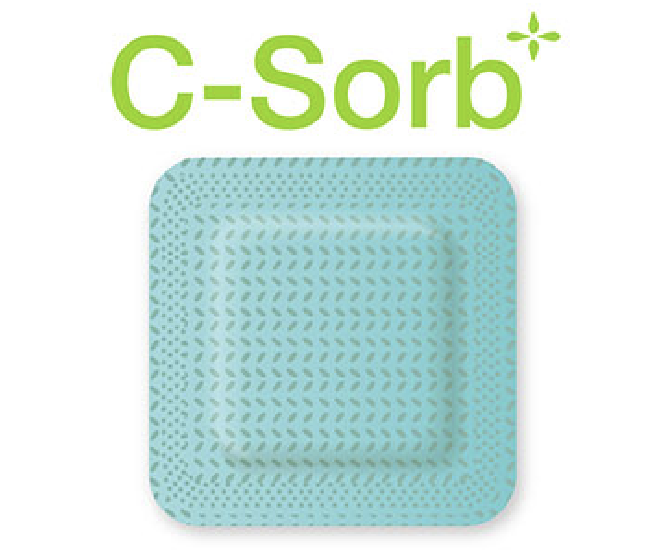
C-Sorb
Superabsorbent Dressing
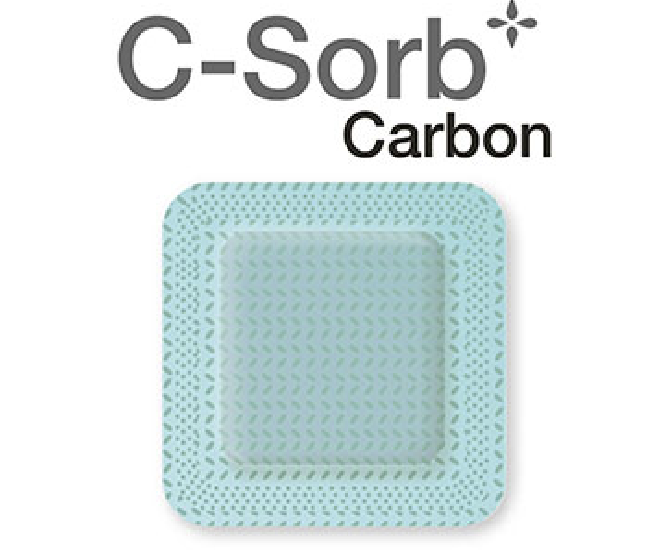
C-Sorb Carbon
Superabsorbent Charcoal Dressing
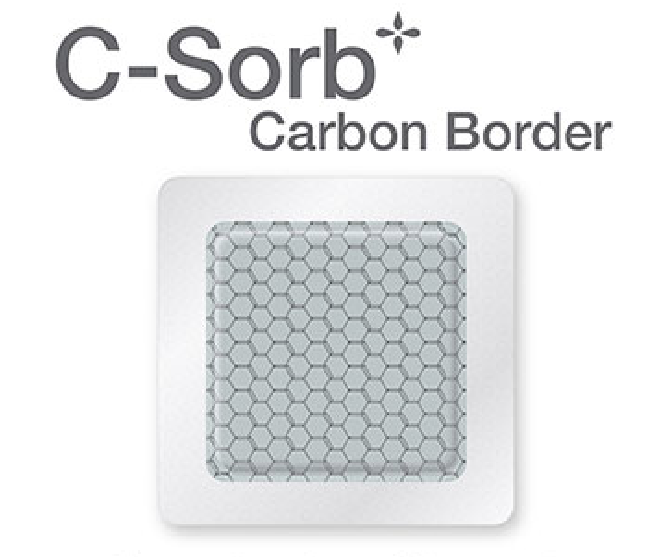
C-Sorb Carbon Border
Bordered Superabsorbent Charcoal Dressing
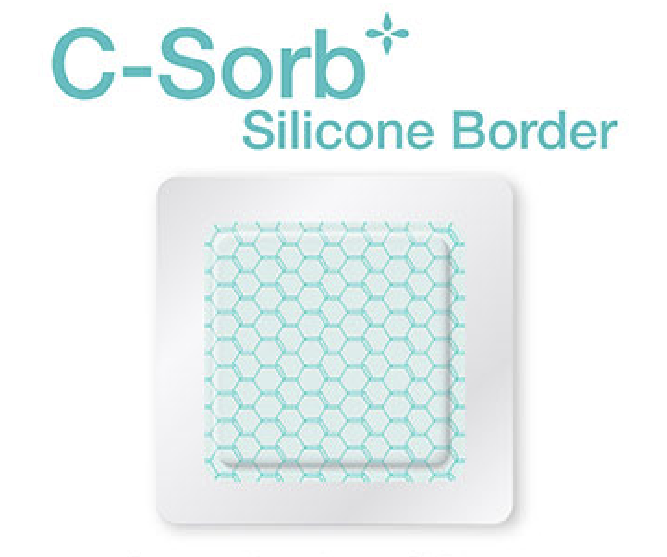
C-Sorb Silicone Border
Bordered Superabsorbent Dressing
Explore Our Clinical Resources

Aseptic Technique

Exudate

Fragile skin

Vascular access

Malodour

Respiratory
