
Fragile skin
Fragile skin requires careful assessment, prevention strategies and appropriate treatment to minimise trauma and support healing. These educational resources focus on pressure ulcers, skin tears, skin integrity and evidence-based approaches to protecting vulnerable skin.
Supporting Education

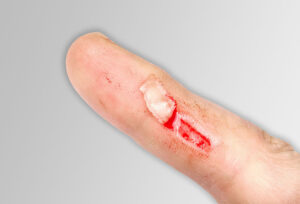
Who is at risk of skin tears? Intrinsic and extrinsic factors
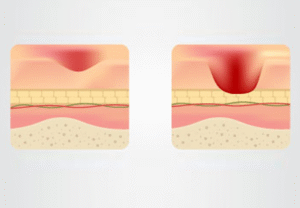
What are the 4 Main Types of Pressure Ulcer? The EPUAP Pressure Ulcer Grading System

Pressure Ulcer Terminology: Glossary of Useful Terms
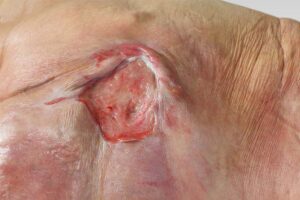
What are Pressure Ulcers? Identification, Prevention and Management
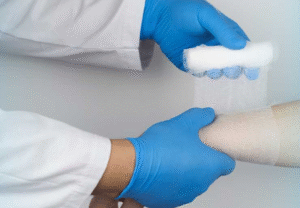
How to apply and remove skin tear dressings

SilTact for Skin Tears FAQs for Patients
What are the 5 most important steps of skin tear management?

Skin Tears Terminology: Glossary of Useful Wound
Why use silicone dressings for better skin tear healing?

Frequently Asked Questions
blank
What are skin tears?
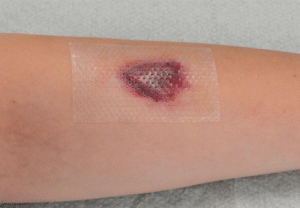
Skin tears are wounds that occur when fragile skin experiences trauma such as blunt force, friction, and shear. They involve the full or partial separation of the skin’s layers and sometimes have a remaining skin flap that covers the wound. This skin flap should be preserved, if possible.
How common are skin tears?
There is limited data on the prevalence of skin tears. However, a recent study found that 20.8% of people over the age of 65 suffered from skin tears.
There is also some evidence to suggest that they are more common than pressure ulcers.
What does a skin tear look like?
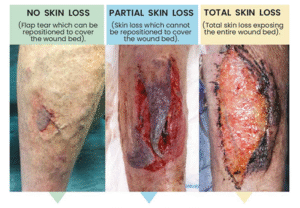
According to the ISTAP classification, there are three main types of skin tears. Although skin tears generally look like regular lesions or big scrapes, they can sometimes be distinguished by a skin flap that either covers the wound or is rolled up towards one side.
What part of the body are skin tears more likely to happen?
Skin tears can happen anywhere on the body. However, they are most common on the arms, hands, and lower extremities, where the skin is thinner and more fragile than other parts of the body.
How do I prevent skin tears from happening?
There are various intrinsic and extrinsic risk factors that you should be mindful of when you have identified an at-risk person. It is important to conduct a risk assessment that takes into consideration a person’s medical history and any environmental dangers that may lead to skin tears. Once these factors have been identified and assessed, it is critical to implement a range of prevention strategies that are tailored to the individual.
Why can’t I use strong adhesives for skin tears?
Skin tears typically occur in skin that is fragile due to age, meaning that it is especially vulnerable to trauma that would not normally lead to injuries in healthier or younger skin. This means that the removal of strong adhesives can cause further trauma to the skin or existing wounds.
How do I clean a skin tear?
A sterile swab dampened with either lukewarm water or saline solution can be used to gently clean a skin tear.
Related Products:
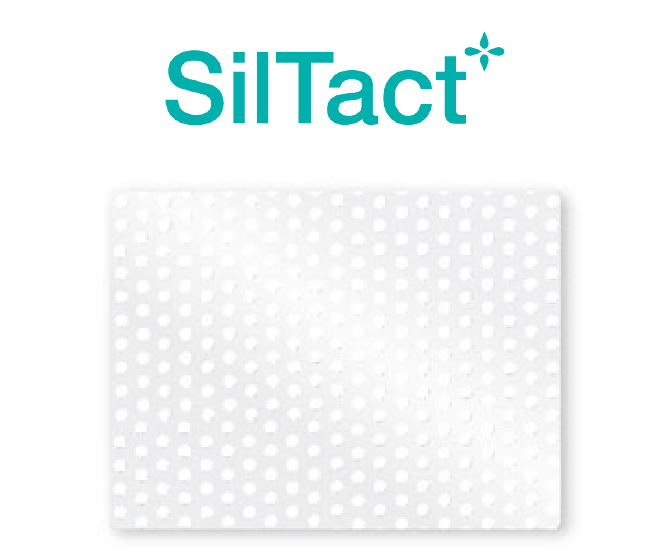
SilTact
Soft Silicone Wound Contact Layer
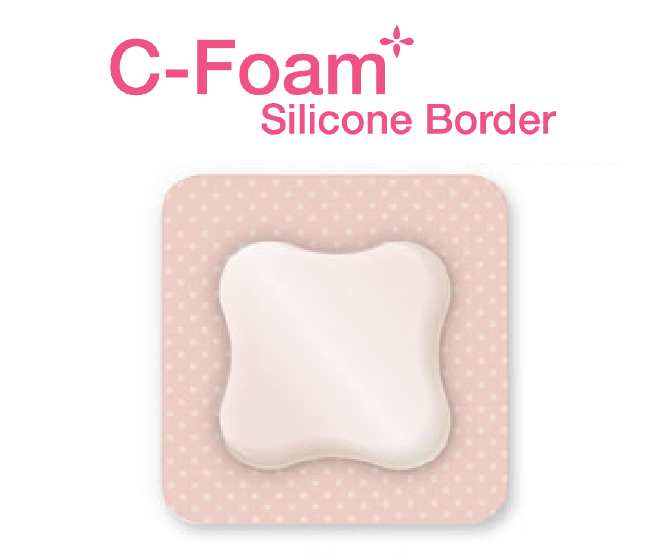
C-Foam Silicone Border
Bordered Soft Silicone Foam Dressing
Explore Our Clinical Resources

Aseptic Technique

Exudate

Fragile skin

Vascular access

Malodour

Respiratory
