Film dressings
Film dressings are thin, transparent wound dressings made from a breathable polyurethane film coated with a gentle adhesive. Designed to protect superficial wounds and vulnerable skin, they provide a barrier against bacteria, dirt, and moisture while allowing oxygen and water vapour to pass through.
Their transparent construction enables clinicians to monitor the wound without removing the dressing, helping to minimise disturbance to the healing process. Film dressings are commonly used for minor cuts and abrasions, superficial wounds, post-operative incisions, IV and catheter site protection, and as secondary dressings to secure other wound care products. Because they are flexible and conformable, film dressings are particularly useful on areas of the body that experience movement, providing secure fixation while maintaining patient comfort.
Our full range of Film Dressings
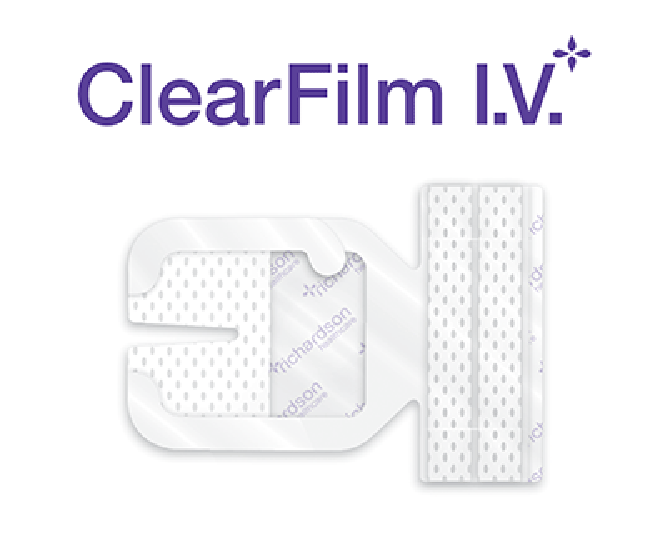
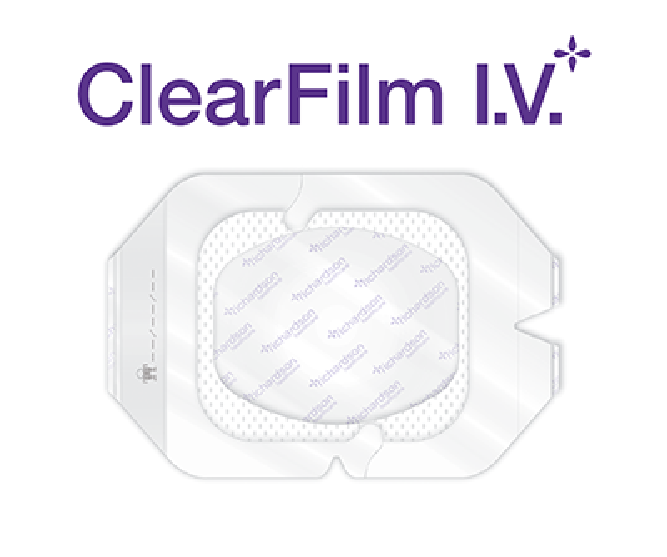
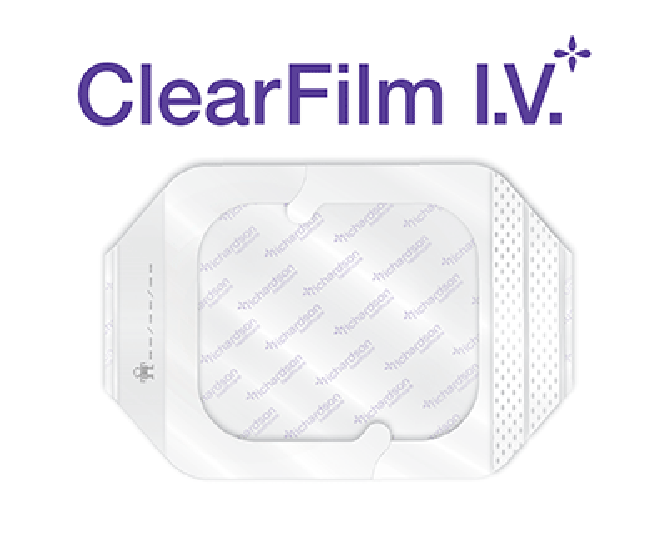
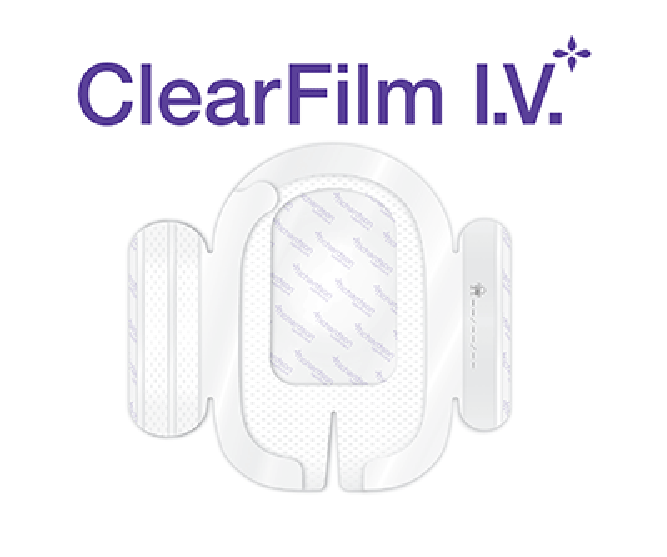
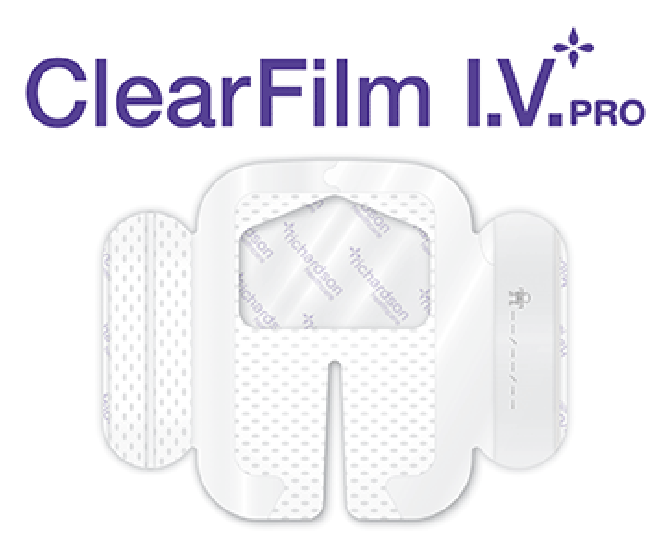
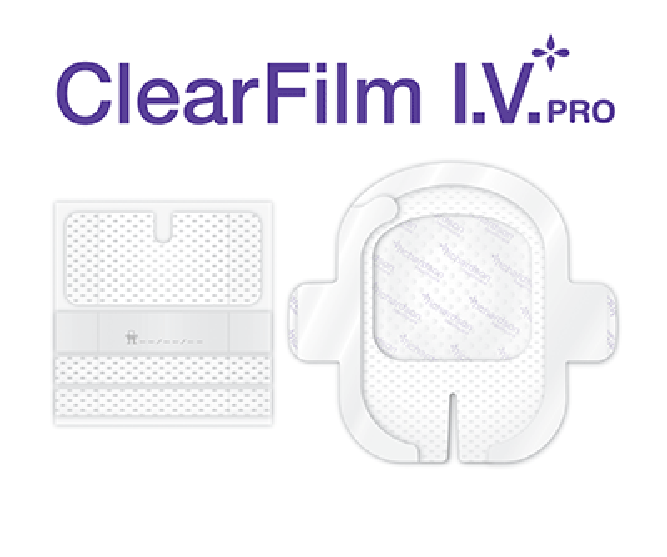
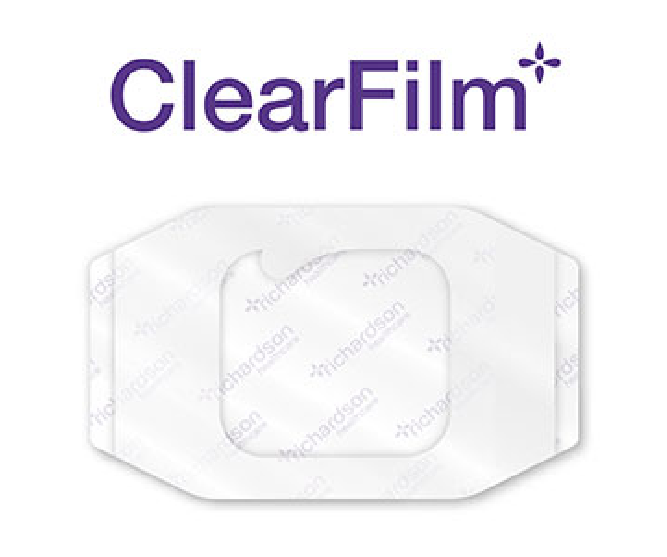
ClearFilm and Cleapore are waterproof and highly breathable film dressings designed for diverse applications. These dressings can be used to protect minor wounds and secure catheter sites, while minimising the risk of infection and maintaining site visibility. A wide selection helps tailor the dressing choice to the clinical need.
Common Challenges and Treatment Considerations for Film Dressings
While film dressings offer excellent protection for superficial wounds, they are not suitable for every wound type and should be selected based on the wound’s condition and exudate levels.
Common Challenges
- Limited absorbency: Film dressings are not designed to manage moderate or heavily exuding wounds and may lead to fluid accumulation if used inappropriately.
- Risk of skin maceration: Excess moisture trapped beneath the dressing can damage surrounding skin when exudate levels exceed the dressing’s capacity.
- Adhesion challenges: Areas exposed to friction, perspiration, or frequent movement may affect dressing adherence and wear time.
- Fragile skin concerns: Although generally gentle, adhesive removal can still cause skin trauma in patients with particularly delicate or compromised skin.
- Difficulty managing deeper wounds: Film dressings are most effective on superficial wounds and do not provide the absorbency or cushioning required for more complex wound types.
Treatment Considerations
- Assess wound depth and exudate levels before selecting a film dressing, ensuring it is suitable for the wound’s characteristics.
- Use on low- or non-exuding wounds where moisture balance can be maintained without fluid build-up.
- Monitor the wound regularly for signs of excess moisture, leakage, or skin irritation.
- Consider film dressings as a secondary dressing to secure primary wound care products when additional fixation is required.
- Select flexible, breathable films that conform to body contours and support patient comfort during movement.
- Take care when removing dressings from fragile or sensitive skin to minimise the risk of skin stripping or irritation.
Film dressings provide a simple and effective way to protect superficial wounds while allowing continuous visual assessment. Their breathable, waterproof design helps maintain a favourable healing environment, making them a valuable option for low-exuding wounds, incision protection, and secure fixation of other dressings. When used appropriately, they can support healing while improving patient comfort and reducing unnecessary dressing changes.