
Tourniquets
Tourniquets are used to temporarily restrict venous or arterial blood flow during a range of clinical procedures, supporting improved visibility, safer vascular access and effective haemostasis where appropriate. Used across hospitals, outpatient clinics and community healthcare settings, high-quality tourniquets are designed to provide reliable performance, enhance patient comfort and support efficient clinical workflows while meeting infection prevention and safety requirements.

Veneloc
Single-use Buckle Tourniquet
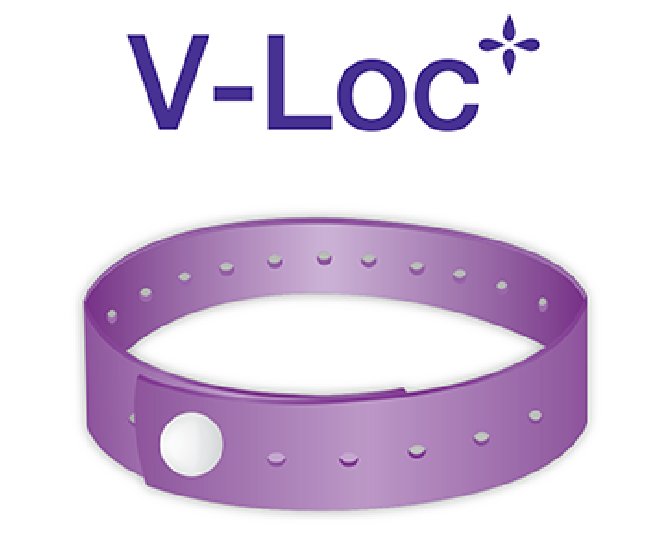
V-Loc
Single-use Button Tourniquet

V-Grip
Single-use Tourniquet
Common Challenges and Treatment Considerations for Tourniquets
Common Challenges
- Achieving effective occlusion without compromising patient comfort or safety.
- Selecting the appropriate tourniquet for the clinical procedure and patient population.
- Reducing the risk of cross-contamination associated with reusable devices.
- Ensuring consistent application across different clinical teams and settings.
- Balancing infection prevention requirements with cost and sustainability considerations.
- Maintaining reliable performance during high-volume clinical activity.
- Managing stock across multiple departments and healthcare environments.
Treatment Considerations
- Select a tourniquet appropriate for the intended clinical application, such as venepuncture, cannulation or other vascular access procedures.
- Consider single-use or reusable options based on local infection prevention policies and clinical requirements.
- Ensure the device provides secure, consistent compression while supporting patient comfort.
- Assess ease of application and release to support efficient clinical workflows.
- Choose products manufactured from durable, high-quality materials that meet relevant safety and regulatory standards.
- Consider latex-free options where appropriate to minimise the risk of allergic reactions.
- Evaluate packaging, storage requirements and product availability to support efficient inventory management and continuity of supply.
