
Island dressings
Island dressings are self-adhesive wound dressings featuring an absorbent central pad surrounded by a secure adhesive border. Designed to protect wounds, manage exudate, and support a moist healing environment, they are commonly used for surgical incisions, cuts, abrasions, burns, and other low-to-moderately exuding wounds. Their breathable, comfortable design helps promote healing while providing reliable protection and secure fixation.
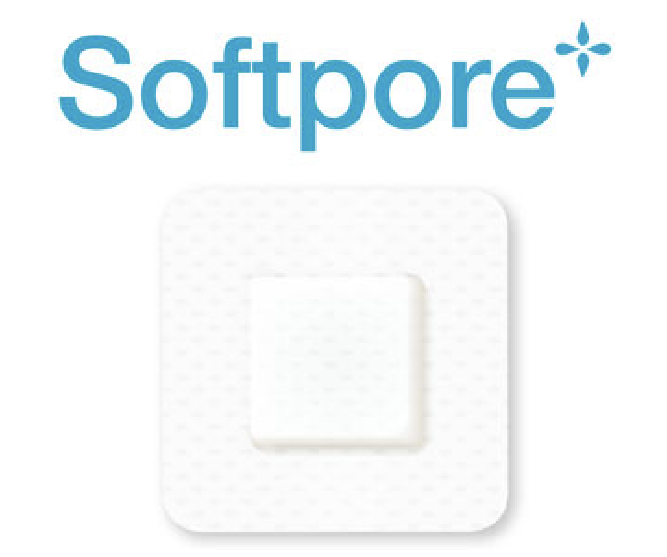
Softpore
Adhesive Surgical Dressing
Softpore is designed to protect surgical incisions, cuts, abrasions, burns and other low-to-moderately exuding wounds. The breathable, comfortable design helps promote healing while providing reliable protection and secure fixation.
Common Challenges and Treatment Considerations for Island Dressings
While island dressings are a versatile and widely used wound care solution, selecting the right dressing and managing it effectively are important for achieving optimal healing outcomes.
Common Challenges
- Managing varying levels of exudate: Wounds with moderate to high exudate may require more frequent dressing changes or a dressing with enhanced absorbency to prevent leakage and skin maceration.
- Protecting fragile or sensitive skin: Repeated dressing changes can cause irritation, particularly in elderly patients or those with compromised skin integrity.
- Maintaining dressing adhesion: Moisture, movement, and challenging anatomical locations can affect adhesion, potentially leading to dressing displacement.
- Preventing wound contamination: Dressings must provide an effective barrier against external contaminants while remaining breathable.
- Ensuring patient comfort: Pain during dressing removal and discomfort from prolonged wear can impact patient compliance and overall treatment experience.
Treatment Considerations
- Assess wound characteristics carefully, including size, depth, location, and exudate levels, to ensure the dressing is appropriate for the wound’s needs.
- Select an absorbency level that matches wound output to help maintain a balanced moist wound environment and minimise the risk of maceration.
- Consider skin-friendly adhesive technologies for patients with fragile, sensitive, or compromised skin.
- Monitor the wound and surrounding skin regularly for signs of infection, excess moisture, irritation, or allergic reactions.
- Choose breathable dressings that support moisture vapour transmission while protecting the wound from external contaminants.
- Review dressing wear time and change frequency based on wound condition, exudate levels, and clinical protocol.
The effectiveness of an island dressing depends not only on its ability to absorb exudate and protect the wound, but also on how well it balances comfort, adhesion, breathability, and skin protection. Selecting the appropriate dressing and monitoring wound progress can help reduce complications and support efficient healing.
