
Malodour
Wound malodour is a distressing side effect that can have a profound impact on a patient’s mental and physical wellbeing. Explore our educational resources for best practice guidance on managing malodour.
Supporting Education

Why Wound Malodour Matters to Patients, Families and Clinicians


How to treat wound malodour: Identify, manage and neutralise

What is Wound Malodour? Assessment, Treatment and Impact

How to assess wound malodour more effectively using grading tools?

Wound Malodour Terminology: Glossary of Useful Wound Care Terms
Frequently Asked Questions
blank
What are the key issues associated with wound malodour?
Continuous malodour, usually associated with chronic and slow-healing wounds (i.e., ulcers), can have more problematic long-term consequences such as altered body image, shame and isolation. [3]
As our sense of smell and taste are intrinsically linked, prolonged malodour can lead to nausea and a loss of appetite. [4] This can be particularly detrimental to the patient, as one of the key aspects of wound healing is ensuring adequate nutrition.
Why is it difficult to assess wound malodour?
One of the fundamental challenges of assessing malodour is recognising that it can be subjective. This is because the sense of smell varies from person to person.[5] This means that even if they are using the same scale, different healthcare professionals may not classify wound odour in the same way.
It is also important to be conscious that malodour can be a normal part of living with a wound and is not always indicative of any issues with the patient or a more serious underlying problem such as infection.[6]
Although a bacterial infection may be responsible for the malodour, it is also true that some wounds have a distinctive smell.[7] It is critical to accurately differentiate between a normal, albeit unpleasant, odour and one that points to a problem.
As such, all assessments of wound odour should take a patient wellbeing-first approach. This means that even if wound malodour is not necessarily indicative of infection, the emotional impact of the odour on the patient should still be addressed as a matter of priority.
What grading scales are available for assessing wound malodour?
Two of the primary scales used for assessing wound malodour are the Baker and Haig Scale and the Teler Impact of Odour Scale.
The scales can be used throughout the healing process to measure any changes, the performance of dressings and topical medications, as well as the patient experience.
Related Products:
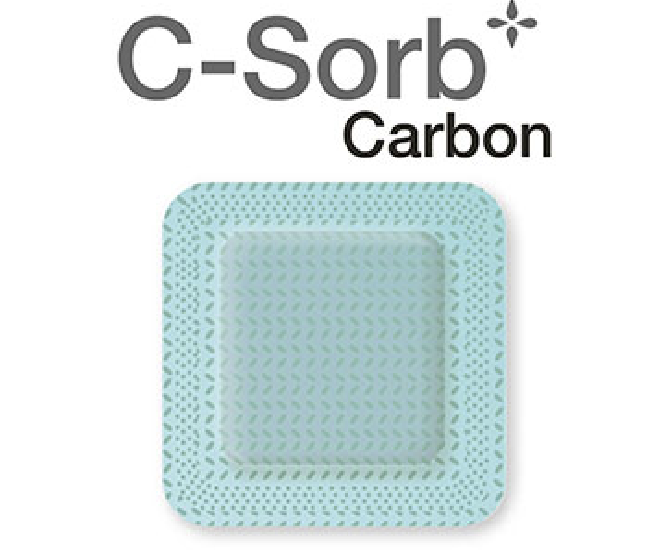
C-Sorb Carbon
Superabsorbent Charcoal Dressing
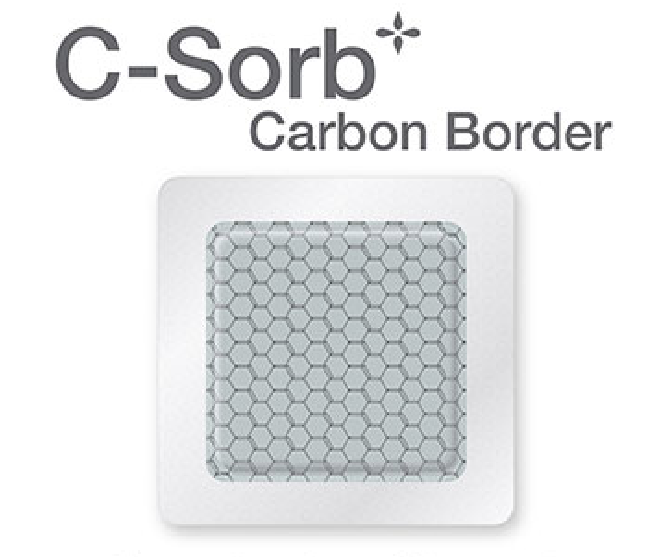
C-Sorb Carbon Border
Bordered Superabsorbent Charcoal Dressing
Explore Our Clinical Resources

Aseptic Technique

Exudate

Fragile skin

Vascular access

Malodour

Respiratory
