
Superabsorbent dressings
Superabsorbent dressings are advanced wound care dressings designed to manage moderate to heavily exuding wounds. They contain highly absorbent polymers (super absorbent polymers or SAPs) that can rapidly absorb and retain large volumes of wound fluid, helping to keep the wound environment balanced (maintaining an optimal wound environment) while reducing the risk of leakage and skin maceration.
Unlike traditional absorbent dressings, superabsorbent dressings lock fluid away within their core, helping to prevent exudate from returning to the wound surface. This supports a cleaner wound environment, protects surrounding skin, and can reduce the frequency of dressing changes. Superabsorbent dressings are commonly used for leg ulcers, pressure ulcers, diabetic foot ulcers, surgical wounds, cavity wounds, and other highly exuding acute or chronic wounds. They are often incorporated into treatment plans where effective exudate management is essential to promote healing and maintain patient comfort.
Featured Products
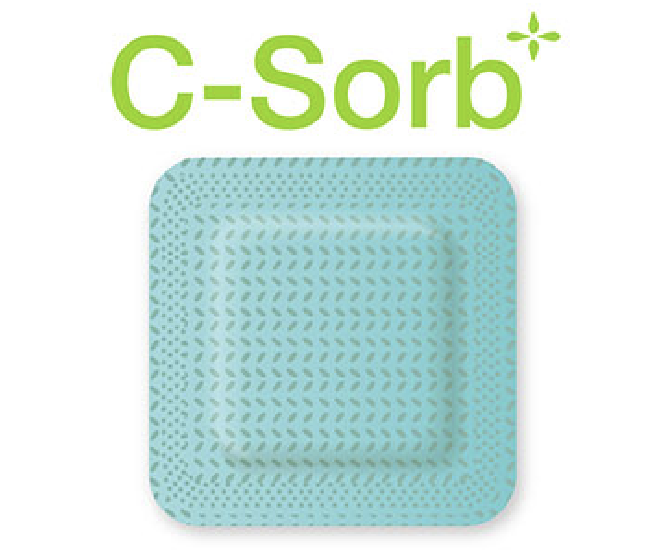
C-Sorb
Superabsorbent Dressing
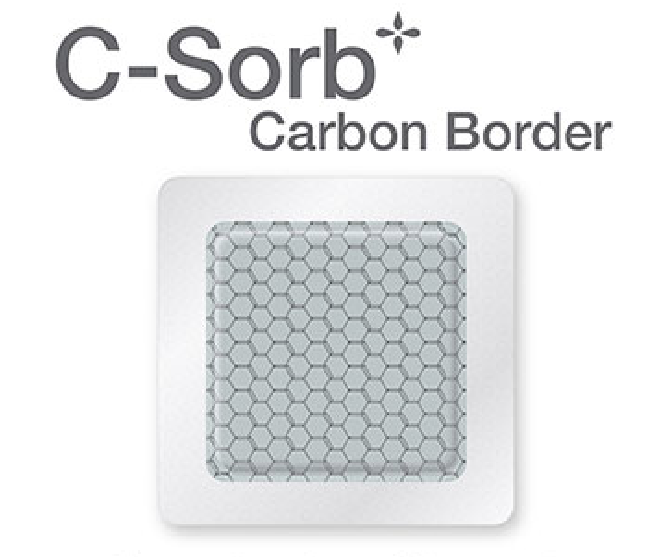
C-Sorb Carbon Border
Bordered Superabsorbent Charcoal Dressing
Our full range of Superabsorbent Dessing products
Heavily exuding wounds are difficult for patients to live with and challenging for patients to manage. Complications such as leakage, maceration and malodour can affect patient wellbeing and delay healing.
The C-Sorb range addresses these challenges with four solutions that deliver advanced absorption, odour control and gentle fixation, helping clinicians match the dressing to the patient, not the other way around.
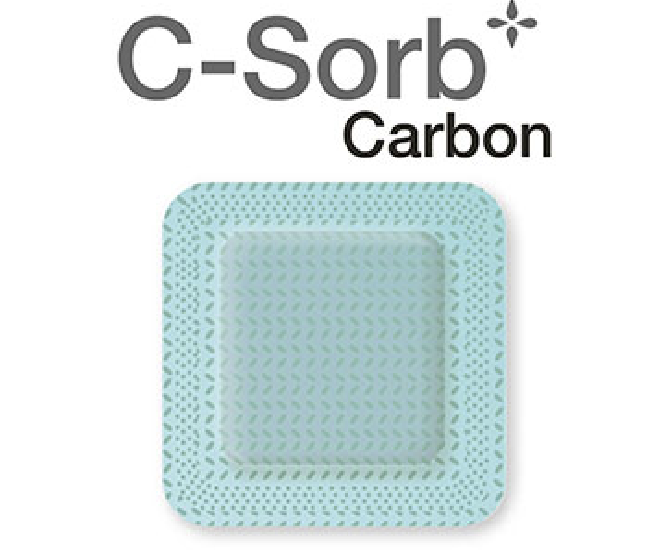
C-Sorb Carbon
Superabsorbent Charcoal Dressing
C-Sorb Carbon Border
Bordered Superabsorbent Charcoal Dressing
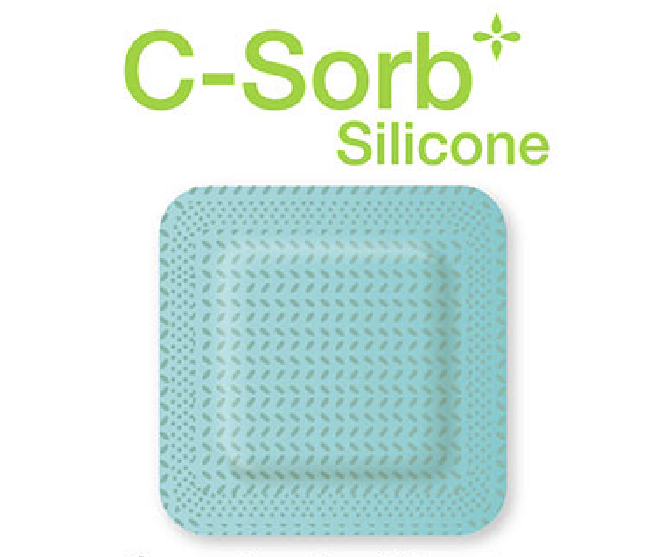
C-Sorb Silicone
Non-bordered Silicone Superabsorbent Dressing
C-Sorb
Superabsorbent Dressing
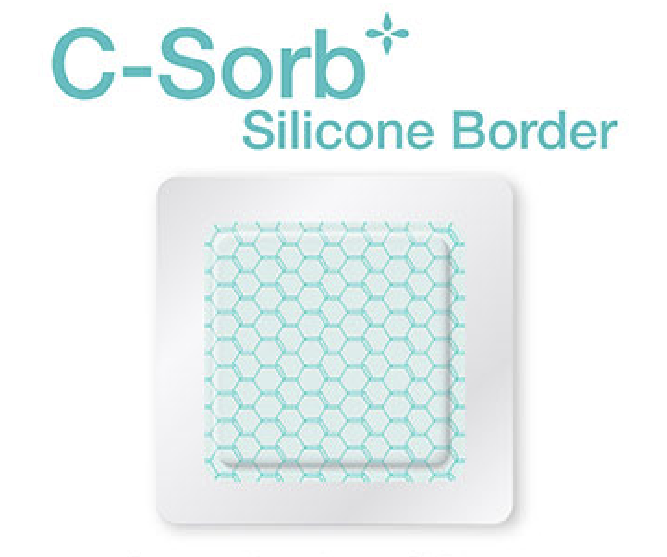
C-Sorb Silicone Border
Bordered Superabsorbent Dressing
Common Challenges and Treatment Considerations for Superabsorbent Dressings
Managing heavily exuding wounds presents unique challenges, making the selection of an appropriate absorbent dressing a critical part of wound care.
Common Challenges
- High levels of exudate: Excess wound fluid can increase the risk of leakage, skin maceration, and delayed healing if not managed effectively.
- Protecting peri-wound skin: Constant exposure to moisture can damage surrounding skin, leading to irritation and further complications.
- Frequent dressing changes: Inadequate absorbency may require more frequent changes, increasing treatment costs and patient discomfort.
- Managing chronic wounds: Long-standing wounds often produce significant exudate and require ongoing monitoring and dressing optimisation.
- Maintaining patient comfort and dignity: Leakage, odour, and bulky dressings can negatively affect quality of life and treatment adherence.
Treatment Considerations
- Assess exudate levels regularly to ensure the dressing’s absorbency matches the wound’s requirements.
- Select dressings with fluid-locking technology to help minimise leakage and reduce the risk of maceration.
- Monitor surrounding skin condition and implement appropriate skin protection measures where necessary.
- Review dressing wear time to balance effective exudate management with patient comfort and cost efficiency.
- Consider wound location and patient mobility when selecting a dressing to ensure secure placement and reliable performance.
- Evaluate the overall wound healing trajectory, adjusting treatment plans if exudate levels change significantly over time.
Effective exudate management is essential for wound healing. Superabsorbent dressings help control large volumes of wound fluid, protect surrounding skin, and create a more favourable healing environment. By reducing leakage and extending wear time, they can support both clinical outcomes and patient quality of life.
